 ALEX FANTINIart · discipline · knowledge

Train through principles.
A method explained through real teaching. The first video course comes from the Latosa Combat Escrima workshop of 11 October 2026: Alessandro demonstrates, explains, listens and corrects the participants’ work.
PRODUCTION COMPLETED 10 lessons · 3 modules · 49 minutes 20 seconds. The programme can be viewed publicly; videos are reserved for users authorised for the course.
Structure · distance · body
From shield to empty hands, arm position, distance, continuity, coordination and balance. Four lessons drawn from practical training.
02 / RESPONSETiming · perception · control
Timing, reaction, speed, pressure and continuity of response, with exercises and individual corrections. Four lessons.
03 / STICKFour directions · hands · distance
Basic handling, protection, hand selection, distance and adapting between rigid and flexible sticks. Two lessons with Alessandro.
Live teaching, ready to revisit.
The footage documents demonstrations, questions, exercises and corrections with eleven participants. The edit preserves the workshop’s character, including some small imperfections, because the value of the teaching is what matters.
Who it is for: the course is best suited to people familiar with partner training who wish to study Latosa Combat Escrima principles further. It does not replace a complete beginners’ course or an instructor’s supervision.
Original Italian audio with embedded English subtitles. The programme is public; watching lessons requires an authorised account. Online purchases are unavailable.
The language of practice
- Escrima
- Filipino martial art: the Latosa approach studies principles that apply to different tools and empty hands.
- Structure
- Body organisation that helps maintain balance and transmit force.
- Timing
- Choosing the moment in relation to your partner’s movement.
- Footwork
- Foot movement and positioning to manage distance and angles.
- Sparring
- Practice against a partner with agreed rules, intensity and protection.
- Full contact
- Full contact: requires a controlled setting, protection and an instructor’s assessment.
Practice meets equipment.
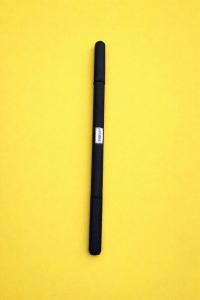
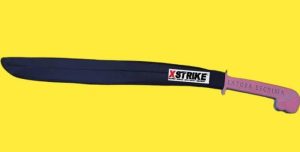
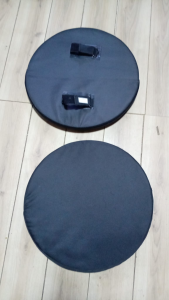
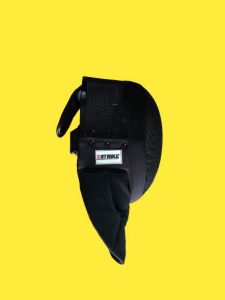
Explore lessons linked to the four catalogue tools. Product pages are public; watching lessons requires course access.