 ALEX FANTINIart · discipline · knowledge
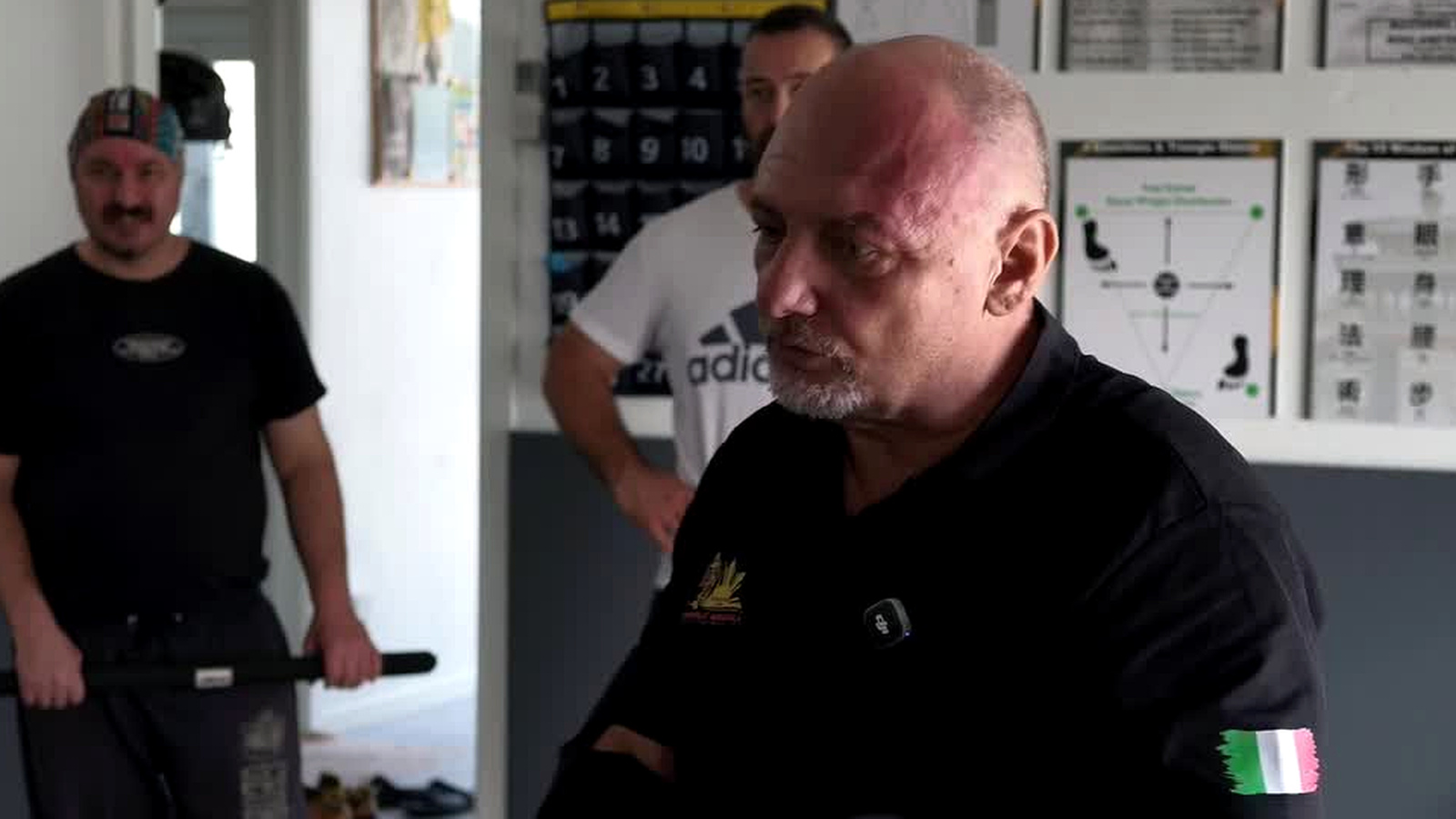
Alessandro Fantini
Master, researcher and instructor in Filipino martial arts and combat systems. A path grounded in principles, adaptability, realism and continuous research.
Alessandro’s story does not revolve around collecting techniques, but around a question running through all his work: what remains when a technique stops working?
The answer is a method centred on balance, structure, distance, timing, power, adaptability and reading what is happening. Different weapons and empty-hand work become different ways of addressing the same problems of movement, decision and pressure.

From practice to research
Alessandro’s martial path spans Filipino martial arts, armed and empty-hand work, distance study and comparison with different approaches to combat. Practice has never been separate from observation: each exercise is considered for what it develops and the limits it reveals when speed, pressure, position or equipment change.
This approach gradually prioritises principles over sequences. A technique is one possible response; understanding a principle allows a response suited to the person and situation.
A root, a way of thinking
Latosa Escrima is a central root of Alessandro’s work. Its value in the path he presents today lies in applying transferable principles to different distances, equipment and conditions, rather than in the number of movements to memorise.
Balance, structure, power, distance, timing and adaptability are not isolated chapters. They influence each other and become criteria for observing what works, understanding why, and recognising when a response must change.
Shared principles, different equipment
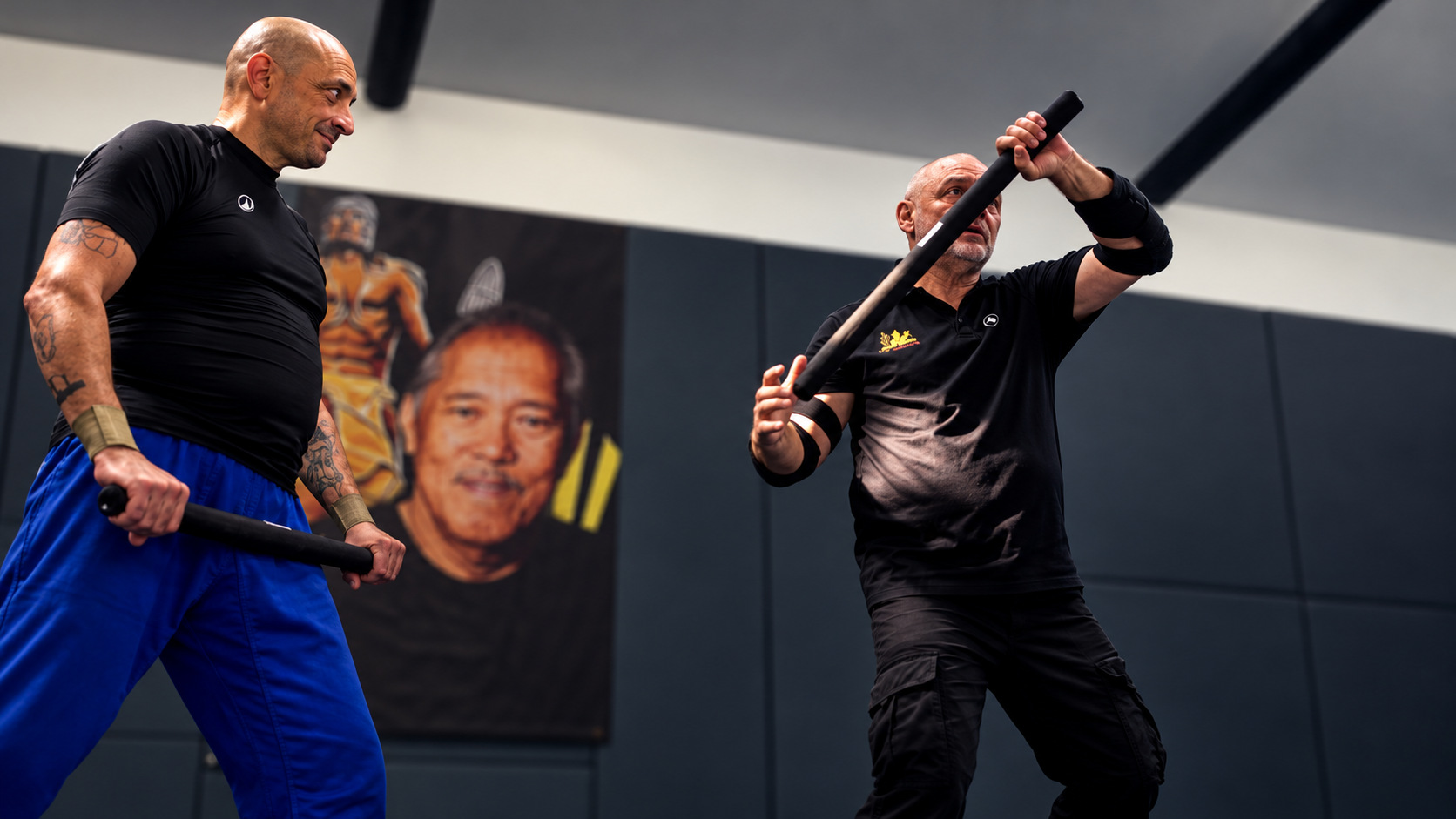
Over time, the research expanded to comparing traditions, weapons and ways of organising movement. The aim is not to collect styles, but to observe what remains valid when distance, trajectory, pressure and context change.
This also explains the interest in continuity between armed and empty-hand work: the body should not learn a new system every time the equipment changes. Teaching instead seeks connections, clear criteria and adaptability.
The body before the weapon
Power comes from organising the body and transferring energy through an efficient structure, not from the arm alone.
Be in the right place
Understand when you can strike, when you must move out, and how distance changes with the equipment.
Principles, not collections
Exercises build attributes. The method helps you make decisions when the situation does not follow a set sequence.
Build without losing your roots
Alessandro’s background includes work on Pinoy Combat Escrima and the experience of FAMAS — Filippino Ancient Martial Arts Society. These reflect research linking study, experimentation, teaching and practical testing.
The common thread is the transferability of principles: rather than separate compartments for each weapon or distance, develop ways of reading similar problems in different forms.

The difference between exercise and reality
A central theme of the teaching is the gap between demonstration and reality. Drills build attributes, but a real situation is not an agreed sequence and offers no certainties.
For self-defence, the order is clear: prevention, situational awareness, disengagement and getting out of trouble; fighting is the last resort when no workable alternatives remain. This also means distrusting choreographed disarms and easy promises, especially against a blade.
Training aims to increase clarity, situational understanding and the ability to make better decisions under pressure, rather than create an illusion of invulnerability.
Develop independence, not copies
A good student should do more than reproduce a form. They should understand why a movement works, when it stops working and how to adapt it to their own characteristics and the situation.
That is why lessons continually return to balance, structure, distance, timing, attitude, pressure and decision-making. Two people can apply the same principle differently because their bodies, experience, speed and characteristics differ.
A living system
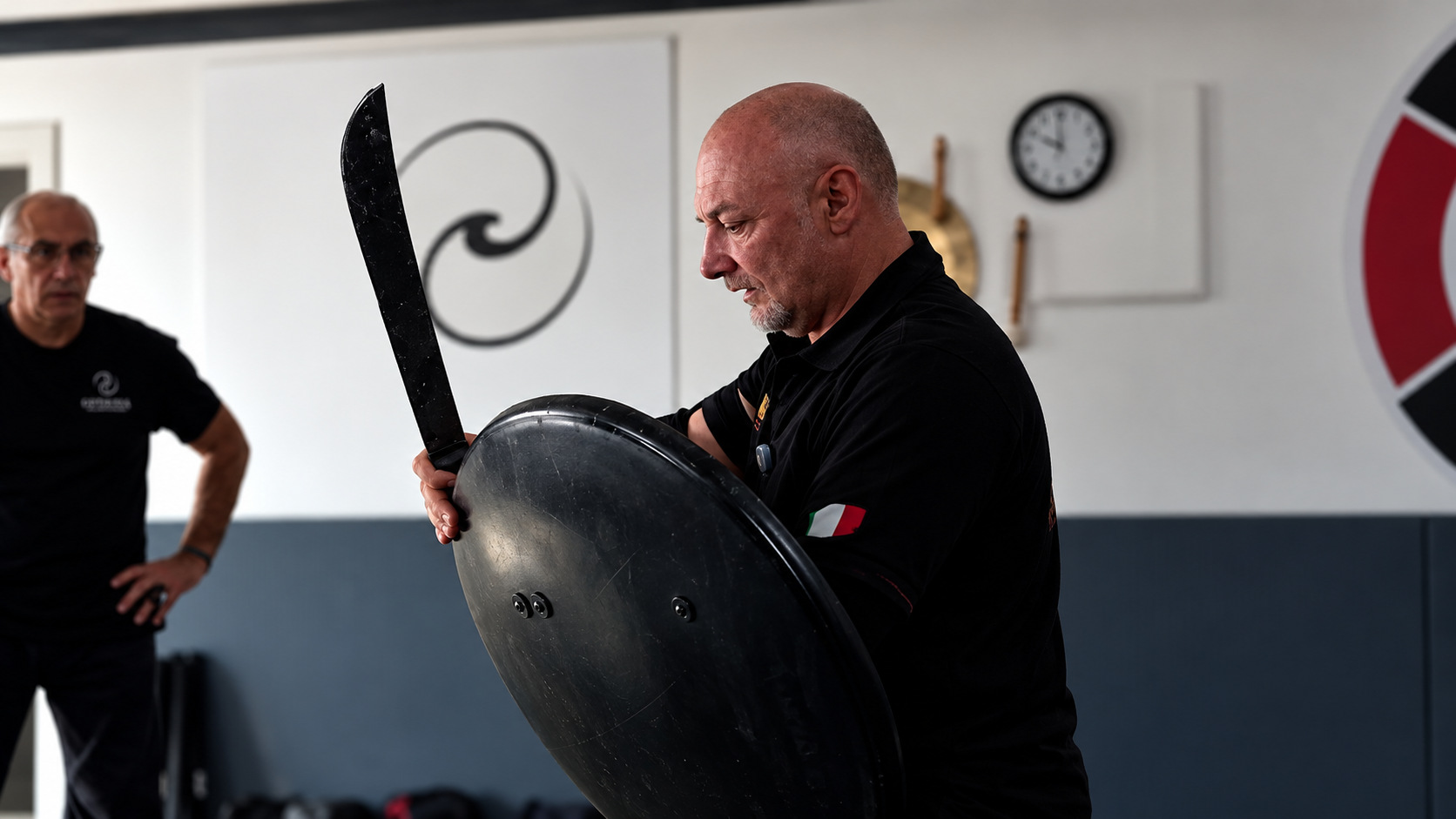
For Alessandro, tradition is not immobility. Preserving means understanding what you have received well enough to pass it on without emptying it of meaning, while continuing to test it in the present.
AlexFantini.com gathers this path in one place: biography, articles, videos, Academy, workshops, research and training equipment. The person and their thinking come first, followed by activities and offerings.
Understand the principle. Test what you have understood. Keep learning.